A blood clot in a deep vein, usually in the leg, can travel to the lungs and become life-threatening. The good news: when the warning signs are recognized early, clots can be treated effectively. Here is what to look for, who is most at risk and when to get help immediately.
Quick answer
- Clot in the leg (DVT): pain, swelling, warmth and redness or darker skin, usually in one leg.
- Clot in the lungs (pulmonary embolism): sudden shortness of breath, chest pain that is worse when breathing in, a fast heartbeat, or coughing up blood.
- Call emergency services if you have breathing problems or chest pain. See a doctor the same day if you have signs of a clot in your leg.
What is a blood clot?
Blood clots are the body’s way of stopping bleeding. Problems start when a clot forms inside a vein when it is not needed. Doctors call this venous thromboembolism (VTE), and it includes two conditions:
- Deep vein thrombosis (DVT): a clot in a deep vein, most often in the calf or thigh.
- Pulmonary embolism (PE): part of a clot breaks off and travels to the lungs, blocking blood flow. This is a medical emergency.
Symptoms of a blood clot in the leg (DVT)
Symptoms usually affect one leg:
- throbbing or cramping pain in the calf or thigh, often when walking or standing
- swelling of the leg, ankle or foot
- warm skin around the painful area
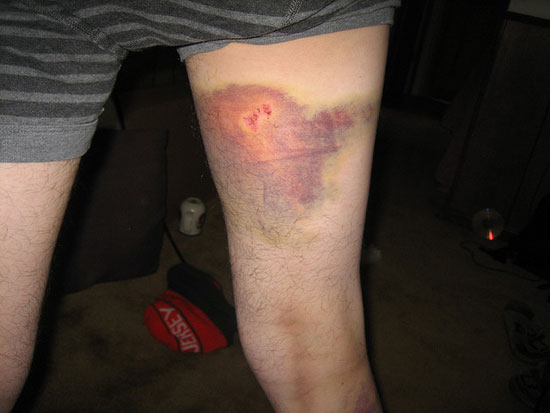
- red or darker skin (this can be harder to see on brown or black skin)
- swollen veins that are hard or sore to touch
Some clots cause no symptoms at all, which is why knowing your risk matters.
Symptoms of a blood clot in the lungs (PE)
- sudden shortness of breath
- chest or upper back pain that is worse when you breathe in
- a fast or irregular heartbeat
- coughing, sometimes with blood
- feeling dizzy, lightheaded or fainting
Call emergency services immediately if you have these symptoms, especially if you also have leg pain or swelling.
Who is at higher risk?
- staying in hospital, especially after surgery (hip and knee operations in particular)
- long periods without moving: bed rest, or long flights and car journeys (generally over 4 hours)
- being over 60
- a previous blood clot, or a family history of clots
- cancer and cancer treatment
- pregnancy and the first weeks after giving birth
- combined birth control pills or hormone replacement therapy containing estrogen
- being overweight, smoking
- heart failure, inflammatory bowel disease and some other long-term conditions
How to lower your risk
- Keep moving. On long journeys, get up and walk every hour or two if you can, and flex your ankles and calves while seated.
- Drink enough fluids while traveling and limit alcohol.
- Follow your hospital’s advice after surgery. You may be given blood thinners, compression stockings, or advice to move early.
- Stay active and keep a healthy weight, and stop smoking.
- Talk to your doctor about your risk before long trips or when starting hormonal medicines if you have had a clot before.
How are blood clots diagnosed and treated?
A doctor will usually check for a clot with an ultrasound scan of the leg, a blood test called a D-dimer, or a scan of the lungs for a suspected PE. Treatment is usually with anticoagulants (“blood thinners”) taken for at least 3 months. These stop the clot from growing and allow the body to break it down. Severe cases may need hospital treatment.
Never take aspirin or other medicines to “treat” a suspected clot yourself. Get checked first.
Frequently asked questions
Can a blood clot feel like a pulled muscle?
Yes, and that is why clots are sometimes missed. Calf pain together with swelling, warmth or redness, especially without an obvious injury, should be checked by a doctor.
Can you have a blood clot without swelling?
Yes. Some clots cause only mild pain, and some cause no symptoms until they reach the lungs.
Is a blood clot an emergency?
Signs of a clot in the lungs (breathlessness, chest pain) are an emergency. Signs of a clot in the leg need a same-day medical check.
Should I massage a sore, swollen calf?
No. If a clot is possible, avoid massaging the leg and get it checked first.
This article is for general information and does not replace advice from your doctor. Last reviewed: November 2026.
Sources
- NHS: DVT (deep vein thrombosis)
- NHS: Pulmonary embolism
- CDC: About venous thromboembolism (blood clots)
- CDC: Blood clots during travel
- Mayo Clinic: Deep vein thrombosis
- Mayo Clinic: Pulmonary embolism