Trying to eat better but not seeing results? You are not alone. Many well-meaning diets fail because of a few common mistakes, not because of a lack of willpower. Here are 7 of the most common ones and simple ways to fix them.
Quick answer
- Avoid extreme diets; aim for changes you can keep.
- Watch drinks and portion sizes, not just “healthy” labels.
- Eat enough protein and fiber to stay full.
- A safe pace is about 0.5 to 1 kg (1 to 2 lb) a week.
7 common diet mistakes
1. Cutting too much, too fast
Very low-calorie or crash diets lead to hunger, low energy and muscle loss, and most people regain the weight. Fix: make smaller, sustainable changes, such as cutting sugary drinks and adding vegetables to every meal.
2. Forgetting about drinks
Soda, juice, sweetened coffee drinks, smoothies and alcohol can add hundreds of calories without making you feel full. Fix: drink mostly water, unsweetened tea or coffee, and treat other drinks as occasional.
3. Not eating enough protein
Protein keeps you full and helps protect muscle while losing weight. Fix: include a protein source at every meal: eggs, yogurt, beans, lentils, fish, poultry, tofu. See our list of vegetarian protein sources.
4. Too little fiber
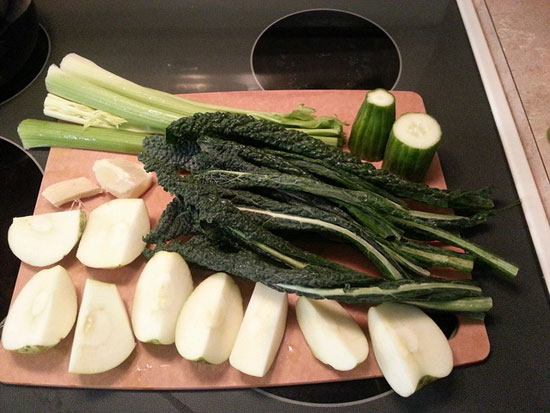
Fiber from vegetables, fruit, beans and whole grains adds volume and keeps you satisfied. Fix: fill half your plate with vegetables and choose whole grains such as oats.
5. Overdoing “healthy” foods
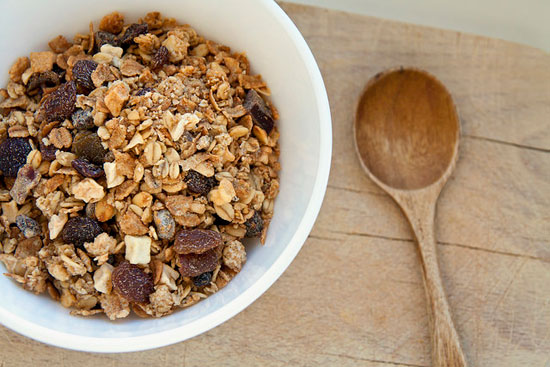
Nuts, olive oil, granola, avocado and dried fruit are nutritious but calorie-dense. Fix: keep enjoying them, but measure portions now and then, for example a small handful of nuts.
6. Skipping meals and then overeating
Going too long without food can lead to intense hunger and overeating later. Fix: eat regular meals that include protein and fiber. If you overdo it, do not compensate by fasting; see what to do after overeating.
7. Relying on exercise alone
Exercise is great for health, but it is easy to eat back the calories burned. Fix: combine regular activity with changes to what and how much you eat.
Other things that help
- Sleep enough: short sleep increases hunger and cravings.
- Eat slowly and without screens, so you notice when you are full.
- Plan ahead: keep healthy snacks and meals ready for busy days.
- Track for a few days: writing down what you eat often reveals hidden calories.
- Be patient: weight goes up and down daily. Look at the trend over weeks.
When to get help
Talk to your doctor or a registered dietitian if you have a medical condition, take medications that affect weight, or have struggled with weight for a long time. Get help too if you feel out of control around food or very anxious about eating.
Frequently asked questions
Why am I not losing weight even though I eat healthy?
Portion sizes, drinks and calorie-dense healthy foods are the most common reasons. Medical conditions and some medications can also play a role.
Is skipping breakfast bad?
Not necessarily. Some people do well without breakfast. What matters most is your total intake and the quality of your food across the day.
How fast should I lose weight?
About 0.5 to 1 kg (1 to 2 lb) a week is a safe, sustainable pace for most people.
This article is for general information and does not replace advice from your doctor or dietitian. Last reviewed: November 2026.
Sources
- Cleveland Clinic: The worst ways to lose weight
- Mayo Clinic: Counting calories, back to weight-loss basics
- Harvard Health: Lose weight and keep it off
- East Lancashire Hospitals NHS: Weight loss actions