Many people feel brighter on sunny days and lower during dark winter months. There is real science behind this: daylight helps set your body clock, influences brain chemicals linked to mood, and affects sleep. For some people, the lack of light in winter leads to seasonal affective disorder (SAD).

Quick answer
- Morning daylight helps regulate your body clock, energy and sleep.
- Light is linked to serotonin (mood) and melatonin (sleep).
- Winter darkness can trigger seasonal affective disorder, which light therapy can treat.
- Get daylight safely: protect your skin when the UV index is high.
How sunlight affects your mood
It sets your body clock
Light entering your eyes, especially in the morning, tells your brain’s internal clock that it is daytime. This helps you feel alert during the day and sleepy at night. Without enough daylight, your rhythm can drift, causing tiredness and poor sleep.
It influences mood chemicals
Bright light is linked to higher activity of serotonin, a brain chemical that helps regulate mood. Darkness increases melatonin, the sleep hormone, which is why long dark evenings can make you feel sluggish.
It gets you outdoors
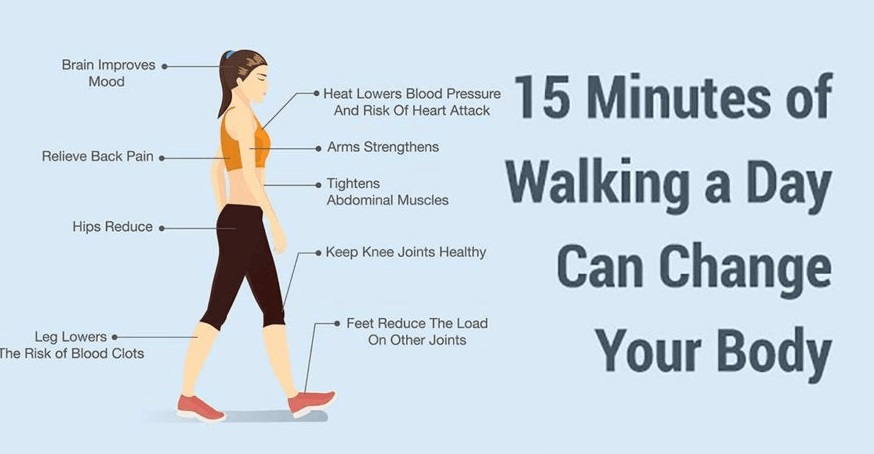
Sunny days often mean more time outside, more movement and more social contact, all of which boost mood too. Combining daylight with a walk is a double benefit.
Vitamin D
Your skin makes vitamin D in sunlight. Low vitamin D has been linked to low mood in some studies, but it is unclear whether it causes depression. Many people in northern countries benefit from a vitamin D supplement in winter; ask your doctor.
Seasonal affective disorder (SAD)
SAD is a type of depression that comes and goes with the seasons, usually starting in autumn and lifting in spring. Symptoms include:
- persistent low mood and loss of interest
- low energy and sleeping more than usual
- craving carbohydrates and weight gain
- difficulty concentrating
Treatments that help
- Light therapy: sitting near a special light box (usually 10,000 lux) for 20 to 30 minutes each morning. Choose a box designed for SAD that filters UV light, and check with your doctor first, especially if you have eye conditions or bipolar disorder.
- Talking therapies such as cognitive behavioral therapy (CBT).
- Antidepressants in some cases.
- Daily outdoor light and exercise.
Tips to get more light
- go outside within an hour or two of waking, even on cloudy days
- take a walk at lunchtime
- sit near a window at work and home
- keep curtains open during the day
- keep a regular sleep schedule (see our sleep tips)
Balance light with sun safety
You do not need to sunbathe or burn to benefit. When the UV index is 3 or higher, use shade, clothing and sunscreen. Learn more in our guide to the UV index and sun protection.
When to get help
See your doctor if low mood lasts more than two weeks, affects your daily life, or returns every winter. If you have thoughts of harming yourself, contact emergency services or a crisis helpline in your country right away.
Frequently asked questions
Does cloudy weather still help?
Yes. Outdoor light on a cloudy day is still much brighter than indoor lighting.
Do SAD lamps work?
Yes, light therapy is an established treatment for seasonal affective disorder when used correctly.
This article is for general information and does not replace advice from your doctor. Last reviewed: November 2026.
Sources
- NHS: Seasonal affective disorder (SAD)
- National Institute of Mental Health: Seasonal affective disorder
- Harvard Health: Light therapy
- Mayo Clinic News Network: Light therapy for seasonal affective disorder