Walking is free, needs no equipment and suits almost everyone, and it is one of the best things you can do for your long-term health. Large studies show that people who walk more each day live longer and have fewer heart problems. The best part: you do not need to walk 10,000 steps to benefit.
Quick answer
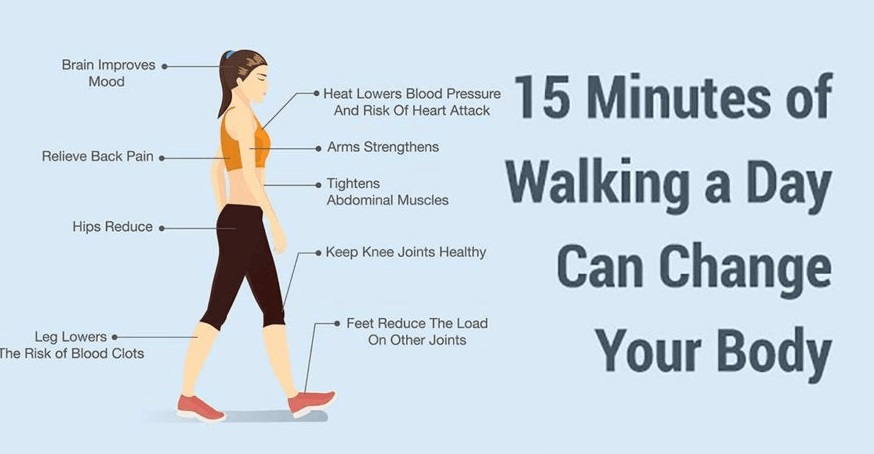
- Any walking is better than none. Even 15 minutes a day is linked to health benefits.
- Research suggests the biggest gains come at around 7,000 to 8,000 steps a day for most adults.
- Health guidelines recommend 150 minutes of moderate activity a week, for example a brisk 30-minute walk on 5 days.
What the research says
A large 2025 review in The Lancet Public Health, combining data from dozens of studies, found that people who took about 7,000 steps a day had a much lower risk of early death, heart disease, dementia and depression than those taking around 2,000 steps. Benefits continued to grow with more steps, but more slowly beyond that point.
Earlier studies found similar results: in older women, benefits appeared from about 4,400 steps a day and leveled off around 7,500. The famous 10,000-step goal started as a marketing slogan, not a scientific target, though more steps do no harm.
Speed matters too: brisk walking appears to bring extra benefits for the heart compared with a slow stroll.
8 benefits of walking every day
- Healthier heart: lowers blood pressure and improves cholesterol and circulation.
- Better blood sugar: a short walk after meals helps control blood sugar, which is especially useful for people with type 2 diabetes.
- Weight management: burns calories and helps maintain a healthy weight alongside a balanced diet.
- Stronger bones and joints: walking is weight-bearing exercise that helps keep bones strong and joints moving.
- Better mood: regular walking reduces stress and symptoms of anxiety and depression, especially outdoors.
- Sharper thinking: regular activity is linked to a lower risk of dementia.
- Better sleep: people who are active during the day tend to sleep better.
- Healthy digestion: walking helps keep bowel movements regular.
How to walk for health
- Aim for brisk: walk fast enough that you breathe harder but can still talk, though not sing.
- Start small: if you are not active, begin with 10 to 15 minutes a day and add a few minutes each week.
- Split it up: three 10-minute walks count just as well as one 30-minute walk.
- Walk after meals for blood sugar benefits.
- Wear comfortable, supportive shoes.
- Track your steps with a phone or watch, then aim to beat your average by 500 to 1,000 steps.
Easy ways to walk more
- Walk or cycle for short trips instead of driving.
- Get off public transport one stop early.
- Take the stairs.
- Have walking meetings or phone calls.
- Walk with a friend or a dog, which makes it easier to stick to.
Is walking safe for everyone?
For most people, yes. If you have heart or lung disease, joint problems, or have been inactive for a long time, check with your doctor before increasing your activity a lot. Stop and seek help if you get chest pain, unusual breathlessness or dizziness while walking.
Frequently asked questions
Is a 15-minute walk a day enough?
It is a great start and is linked to real benefits. Building up to 30 minutes on most days brings more.
How many steps a day should I aim for?
About 7,000 to 8,000 is a good goal for most adults. If you are starting from very few steps, every extra 1,000 helps.
Is walking as good as running?
Running gives more benefit per minute, but walking for longer can offer similar health gains with less strain on the joints.
This article is for general information and does not replace advice from your doctor. Last reviewed: November 2026.
Sources
- The Lancet Public Health: Daily steps and health outcomes in adults (2025)
- JAMA: Daily step count and step intensity with mortality among US adults
- JAMA Internal Medicine: Step volume and intensity with mortality in older women
- Harvard Health: Fast walking may lengthen your life
- Harvard Health: Large study finds the sweet spot for daily step goals