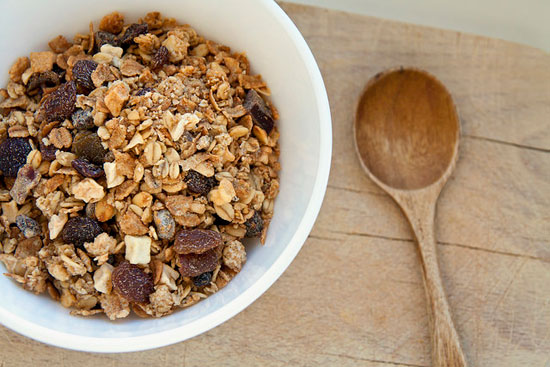
A bowl of oatmeal is one of the simplest healthy breakfasts there is. Oats are a whole grain packed with a special kind of fiber that has real, well-researched benefits for your heart and blood sugar. Here is what eating oatmeal every day can do for you, the few downsides to watch for, and how to build a better bowl.
Quick answer
- Yes, eating oatmeal every day is healthy for most people.
- Oats contain beta-glucan, a soluble fiber that lowers LDL (“bad”) cholesterol. About 3 grams of it a day, roughly 1 to 1½ cups of cooked oatmeal, is the amount shown to help.
- Choose plain oats and add your own toppings. Many instant flavored packets are high in sugar.
6 benefits of eating oatmeal every day
1. Lower cholesterol
The beta-glucan in oats forms a gel in your gut that helps remove cholesterol from the body. A large analysis of clinical trials found that eating at least 3 grams of oat beta-glucan a day lowered LDL cholesterol by about 5 to 7%. This effect is well enough established that health authorities in the US and Europe allow oat products to carry a heart-health claim.
2. Steadier blood sugar
Soluble fiber slows the digestion of carbohydrates, so oatmeal raises blood sugar more gently than refined breakfast cereals or white bread. Steel-cut and rolled oats work better than instant oats, which are more processed and digested faster.
3. Keeps you full for longer
Fiber and the thick, filling texture of oatmeal help you feel satisfied until lunch, which can make it easier to avoid mid-morning snacking.
4. Good for digestion
Oats provide both soluble and insoluble fiber, which support regular bowel movements and feed the helpful bacteria in your gut.
5. A good source of nutrients
Oats contain plant protein (about 5 grams per ½ cup of dry oats), plus manganese, phosphorus, magnesium, iron, zinc and B vitamins.
6. Cheap, quick and versatile
Oats are one of the most affordable whole grains and can be cooked in minutes, soaked overnight, or added to smoothies and baking.
Possible downsides
- Added sugar: flavored instant oatmeal and sweet toppings can turn a healthy breakfast into a sugary one. Check labels.
- Bloating: if you are not used to much fiber, increase the amount slowly and drink enough water.
- Gluten: oats are naturally gluten-free but are often contaminated with wheat. People with celiac disease should choose oats labeled gluten-free and check with their doctor, as a small number also react to oats themselves.
- Not a complete meal on its own: plain oatmeal is low in protein and fat. Adding toppings (below) makes it more balanced.
How to make a healthier bowl of oatmeal
- Choose the oats: steel-cut or rolled oats are best. Instant oats are fine if they are plain.
- Add protein: cook with milk or soy milk, or stir in Greek yogurt, an egg, or a spoon of nut butter.
- Add healthy fats: chopped nuts, chia seeds, ground flaxseed or hemp seeds.
- Sweeten naturally: berries, sliced banana, grated apple or cinnamon instead of sugar or syrup.
- Try savory: oatmeal with a fried egg, spinach and a little cheese is a filling alternative.
Easy overnight oats
Mix ½ cup rolled oats, ½ cup milk, ¼ cup Greek yogurt and 1 teaspoon chia seeds in a jar. Refrigerate overnight. In the morning, top with berries and a few walnuts.
Frequently asked questions
How much oatmeal should I eat a day?
A typical serving is ½ cup of dry oats (about 1 cup cooked). To reach the 3 grams of beta-glucan linked to lower cholesterol, you need about 1 to 1½ cups of cooked oatmeal, or oats spread through the day.
Is instant oatmeal as healthy as rolled oats?
Plain instant oats have similar nutrients, but they are digested faster and raise blood sugar more quickly. Avoid sweetened, flavored packets.
Can oatmeal help with weight loss?
It can help as part of a balanced diet, because it is filling and high in fiber. Portion size and toppings matter: oatmeal with lots of sugar, syrup or dried fruit adds up quickly.
Is oatmeal good for people with diabetes?
Steel-cut or rolled oats, in sensible portions and paired with protein or fat, can be part of a diabetes-friendly diet. Check your own blood sugar response and ask your doctor or dietitian.
This article is for general information and does not replace advice from your doctor or dietitian. Last reviewed: November 2026.
Sources
- Harvard T.H. Chan School of Public Health, The Nutrition Source: Oats
- Whitehead et al.: Cholesterol-lowering effects of oat beta-glucan, a meta-analysis of randomized controlled trials
- EFSA: Scientific opinion on oat beta-glucan and lowering blood cholesterol
- Processing of oat: the impact on oat’s cholesterol-lowering effect