Good sleep is as important for your health as diet and exercise. It affects your mood, memory, immune system, weight and heart. Yet many adults regularly sleep too little or sleep poorly. The good news: small, consistent changes to your habits can make a big difference.

Quick answer
- Most adults need 7 to 9 hours of sleep a night.
- Keep a regular sleep schedule, even at weekends.
- Make your bedroom dark, quiet and cool.
- Limit caffeine, alcohol and screens before bed.
How much sleep do you need?
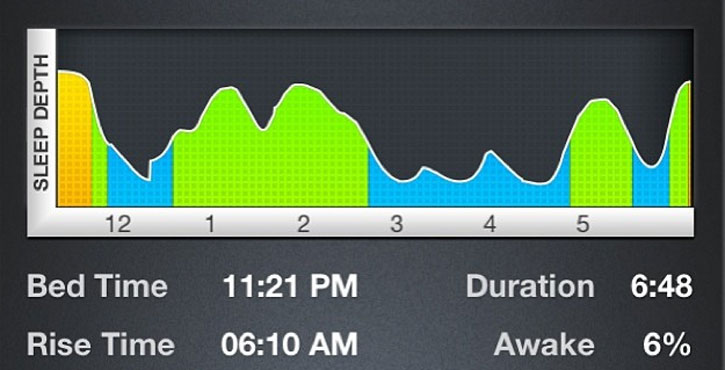
Adults generally need 7 or more hours of sleep a night. Teenagers need 8 to 10, and younger children even more. Regularly sleeping less than 7 hours is linked to a higher risk of weight gain, high blood pressure, diabetes, heart disease, depression and accidents. Quality matters too: waking often or never feeling rested is a sign something is wrong.
10 tips for better sleep
1. Keep a regular schedule
Go to bed and get up at about the same time every day. This trains your body clock and makes falling asleep easier.
2. Get daylight in the morning
Natural light early in the day helps set your internal clock, so you feel sleepy at the right time in the evening.
3. Make your bedroom a sleep zone
Keep it dark (blackout curtains or an eye mask), quiet (earplugs if needed) and cool, around 16 to 19°C (60 to 67°F). See our tips for sleeping when it’s hot.
4. Limit screens before bed
Phones, tablets and TVs keep your brain alert, and their light can delay sleepiness. Try to switch off 30 to 60 minutes before bed.
5. Watch caffeine
Caffeine can stay in your body for many hours. Avoid coffee, strong tea, cola and energy drinks from the early afternoon.
6. Go easy on alcohol
Alcohol may help you fall asleep, but it disrupts sleep later in the night and leaves you less rested.
7. Do not go to bed too full or too hungry
Avoid large, heavy meals within 2 to 3 hours of bedtime. A small snack is fine if you are hungry.
8. Be active during the day
Regular exercise helps you fall asleep faster and sleep more deeply. Try to finish vigorous workouts a few hours before bed. A daily walk is a great start.
9. Build a relaxing bedtime routine
A warm shower, reading, gentle stretching or breathing exercises signal to your body that it is time to wind down.
10. Limit daytime naps
If you nap, keep it short (20 to 30 minutes) and before mid-afternoon.
Can’t fall asleep?
If you are still awake after about 20 minutes, get up, go to another room and do something calm in dim light until you feel sleepy. Lying in bed worrying about sleep makes it harder.
When to see a doctor
- you have trouble sleeping most nights for several weeks
- you feel very sleepy during the day, or fall asleep while driving
- someone notices you snore loudly and stop breathing or gasp during sleep (possible sleep apnea)
- you have an urge to move your legs at night that keeps you awake
Cognitive behavioral therapy for insomnia (CBT-I) is a highly effective treatment for long-term insomnia, often better than sleeping pills.
Frequently asked questions
Is 6 hours of sleep enough?
For most adults, no. A few people genuinely need less, but most need at least 7 hours.
Can I catch up on sleep at the weekend?
Sleeping in can help a little, but it does not fully make up for regular short sleep and can disturb your body clock.
Do sleep supplements like melatonin work?
Melatonin can help with jet lag and some body clock problems, but it is not a fix for poor sleep habits. Ask a doctor or pharmacist before using it regularly.
This article is for general information and does not replace advice from your doctor. Last reviewed: November 2026.
Sources
- Mayo Clinic: Sleep tips, 6 steps to better sleep
- Mayo Clinic: How many hours of sleep are enough?
- Sleep Foundation: How much sleep do adults need?
- Sleep Foundation: How to sleep better