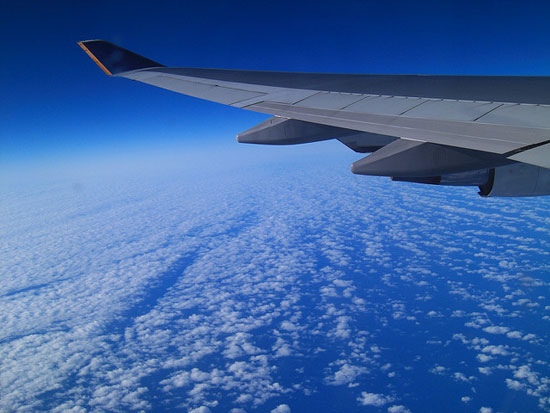
After a long flight, many people feel tired, puffy, dry and out of sync. That is not just in your head: low humidity, cabin pressure, sitting still for hours and crossing time zones all affect your body. Here is what happens, and simple ways to arrive feeling better.
Quick answer
- Drink water regularly and go easy on alcohol.
- Move: walk the aisle and flex your ankles every hour or so.
- Help your ears by swallowing, yawning or chewing gum during descent.
- Adjust to the new time zone quickly with daylight and meal times.
What happens to your body on a flight
1. You dry out
Cabin air is very dry, often far drier than most homes. Skin, lips, eyes and the inside of your nose can feel dry and irritated, and you may feel thirsty or get a headache.
2. Your ears and sinuses feel pressure
Cabin pressure changes during take-off and especially landing. If the small tubes that balance pressure in your ears cannot keep up, your ears may feel blocked or painful (“airplane ear”). A cold or allergies make this worse.
3. You may feel bloated
Cabin pressure is lower than on the ground, so gas in your gut expands slightly. Many people feel bloated or gassy on flights.
4. Your legs and ankles swell
Sitting still for hours slows blood flow in the legs, so fluid collects in the ankles and feet. This is usually harmless and goes away after walking around. Long flights also slightly raise the risk of a blood clot in the leg, especially for people who already have risk factors.
5. Food tastes different
Dry air, pressure and background noise reduce your sense of taste and smell, especially for salty and sweet flavors, which is why airline food can taste bland.
6. You get slightly less oxygen
The cabin is pressurized to the equivalent of a mountain altitude of roughly 1,800 to 2,400 meters (6,000 to 8,000 feet), so your blood carries a little less oxygen. Healthy people usually do not notice, but it can add to tiredness. People with serious heart or lung disease should talk to a doctor before flying.
7. Jet lag throws off your body clock
Crossing several time zones confuses your internal clock, causing tiredness, poor sleep, low concentration and stomach upset. Flying east is usually harder than flying west.
10 tips to feel better on a long flight
- Drink water regularly. Bring an empty bottle to fill after security.
- Limit alcohol and caffeine, which dehydrate you and disturb sleep.
- Walk the aisle when it is safe to do so, and do ankle circles and calf raises in your seat.
- Wear loose, comfortable clothes and shoes you can loosen.
- Consider compression socks if you have risk factors for blood clots. Ask your doctor first.
- Moisturize skin and lips, and use eye drops if your eyes feel dry.
- Swallow, yawn or chew gum during take-off and landing to protect your ears.
- Eat light and avoid fizzy drinks and very gassy foods before and during the flight.
- Set your watch to the destination time and try to sleep according to it.
- Get daylight at your destination and eat meals at local times to reset your body clock.
When to seek medical help
- Pain and swelling in one leg, warmth or redness in the days or weeks after a long flight can be a sign of a blood clot. Read more about blood clot symptoms.
- Sudden shortness of breath or chest pain needs emergency help.
- Ear pain, blocked ears or hearing loss that lasts more than a few days. See our guide to blocked ears.
Frequently asked questions
How long does jet lag last?
As a rough guide, about one day for each time zone crossed, though many people adapt faster with good light exposure and sleep habits.
Why do my ankles swell when I fly?
Sitting still lets fluid pool in the lower legs. It usually improves within a day of walking around. Swelling in only one leg, or with pain, should be checked.
Is it safe to sleep through a long flight?
Yes, but try to get up and move every couple of hours when you are awake, and avoid sleeping pills combined with alcohol.
This article is for general information and does not replace advice from your doctor. Last reviewed: November 2026.
Sources
- Cleveland Clinic: How airplane travel affects your body
- Mayo Clinic: Jet lag disorder
- Mayo Clinic: Airplane ear
- CDC: Blood clots during travel
- NHS 111 Wales: Jet lag