Onions are in almost every kitchen, and they bring more than flavor. They are low in calories and contain antioxidants, prebiotic fiber and sulfur compounds that are linked to heart and gut health. They are not a miracle cure, but adding them to your meals every day is an easy win.

Quick answer
- Rich in quercetin, an antioxidant especially high in red onions.
- Contain prebiotic fiber that feeds healthy gut bacteria.
- Low in calories and a source of vitamin C, B6 and potassium.
Onion nutrition
One medium onion (about 110 g) contains roughly 44 calories, about 2 g of fiber, around 10% of the daily value for vitamin C, plus vitamin B6, folate and potassium.
6 health benefits of onions
1. Packed with antioxidants
Onions are one of the richest food sources of quercetin, a flavonoid antioxidant. Red and yellow onions contain more than white ones, and the outer layers contain the most, so peel off as little as possible. Red onions also contain anthocyanins, the pigments that give them their color.
2. Good for your gut
Onions contain inulin and fructooligosaccharides, prebiotic fibers that feed beneficial bacteria in your gut. A healthy gut microbiome is linked to better digestion and immune health.
3. May support heart health
Diets rich in vegetables like onions are linked to lower blood pressure and cholesterol. Lab and small human studies suggest quercetin may help, but onions are best seen as part of an overall healthy diet, not a treatment.
4. May help with blood sugar
Some small studies suggest onions may modestly help blood sugar control. The effect is small, and people with diabetes should keep following their treatment plan.
5. Part of a cancer-protective diet
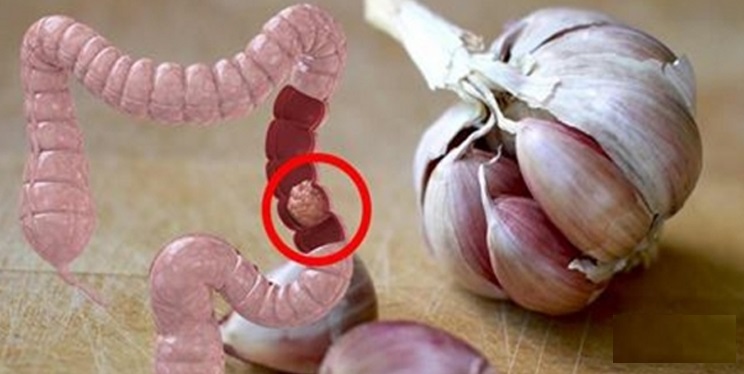
Studies of populations have found that people who eat more allium vegetables (onions, garlic, leeks) tend to have a lower risk of some cancers, such as stomach and colorectal cancer. This shows a link, not proof that onions prevent cancer.
6. Add flavor without salt or calories
Cooking with onions, garlic and herbs is an easy way to make food tasty with less salt, which helps your blood pressure.
Raw or cooked?
Both are healthy. Raw onions keep more of some sulfur compounds and vitamin C, while gentle cooking keeps most of the quercetin. Very long frying at high heat reduces nutrients.
Who should be careful
- Irritable bowel syndrome (IBS): onions are high in FODMAPs and can cause bloating and gas. Many people on a low-FODMAP diet need to limit them.
- Heartburn: raw onions can trigger reflux in some people.
- Pets: onions are toxic to dogs and cats. Never feed them onion.
Easy ways to eat more onions
- add raw red onion to salads and sandwiches
- make quick pickled onions with vinegar
- use them as the base of soups, stews and sauces
- roast wedges with other vegetables
Frequently asked questions
Which onion is the healthiest?
Red and yellow onions have the most antioxidants.
Do onions help with colds?
There is no good evidence that onions, onion syrup or onions in socks cure colds. They are a healthy food, but not a remedy.
How do I stop crying when cutting onions?
Use a sharp knife, chill the onion for 15 minutes first, and cut the root end last.
This article is for general information and does not replace advice from your doctor or dietitian. Last reviewed: November 2026.
Sources
- Cleveland Clinic: Health benefits of onions
- Recent advances in bioactive compounds and health functions of onion
- Review of anti-inflammatory and antioxidant effects of Allium cepa
- Nutrients, bioactive ingredients and health effects of Allium vegetables