You do not need meat to get enough protein. Beans, lentils, soy foods, dairy, eggs, nuts and seeds can easily cover your daily needs, and they bring fiber, vitamins and minerals with them. Here are 12 of the best vegetarian protein sources, with approximate grams of protein per serving.
How much protein do you need?
Most adults need about 0.8 grams of protein per kilogram of body weight per day. For someone weighing 70 kg (154 lb), that is about 56 grams a day. Older adults, pregnant or breastfeeding women and people who train hard often need more.
Spreading protein across your meals (for example 20 to 30 grams at each) helps your body use it well.
12 best vegetarian protein sources
Protein amounts are approximate and vary by brand and preparation.
| Food | Serving | Protein |
|---|---|---|
| Cottage cheese | 1 cup (about 225 g) | 25–28 g |
| Seitan (wheat gluten) | 100 g | about 25 g |
| Tempeh | 100 g | about 19 g |
| Lentils, cooked | 1 cup | about 18 g |
| Edamame, shelled | 1 cup | about 17–18 g |
| Greek yogurt, plain | 170 g pot | 15–17 g |
| Firm tofu | 100 g | 12–17 g |
| Chickpeas, cooked | 1 cup | about 14–15 g |
| Beans (black, kidney), cooked | 1 cup | about 15 g |
| Hemp seeds | 3 tablespoons | about 10 g |
| Quinoa, cooked | 1 cup | about 8 g |
| Eggs | 1 large egg | about 6 g |
1. Lentils
Cheap, quick to cook (red lentils take about 15 minutes) and rich in fiber, iron and folate. Use them in soups, curries, salads or as a mince replacement.
2. Chickpeas and other beans
Chickpeas, black beans, kidney beans and white beans are all good protein sources and very high in fiber. Try hummus, bean chili, or roasted chickpeas as a snack.
3. Tofu
Made from soybeans, tofu takes on the flavor of whatever you cook it with. Firm tofu is best for frying and baking; silken tofu works in smoothies and sauces. Calcium-set tofu is also a good source of calcium.
4. Tempeh
Fermented soybeans pressed into a firm block, with a nutty flavor and more protein than tofu. Slice and pan-fry it, or crumble it into stir-fries.
5. Edamame
Young soybeans, usually sold frozen. Boil for a few minutes and add salt for a high-protein snack, or add them to salads and noodle dishes.
6. Seitan
Made from wheat gluten, seitan has a chewy, meat-like texture and is one of the most protein-dense plant foods. It is not suitable for people with celiac disease or gluten intolerance.
7. Greek yogurt
Strained yogurt has about twice the protein of regular yogurt. Choose plain and add fruit yourself to avoid added sugar.
8. Cottage cheese
One of the highest-protein dairy foods. Eat it with fruit, on toast, or blended into sauces.
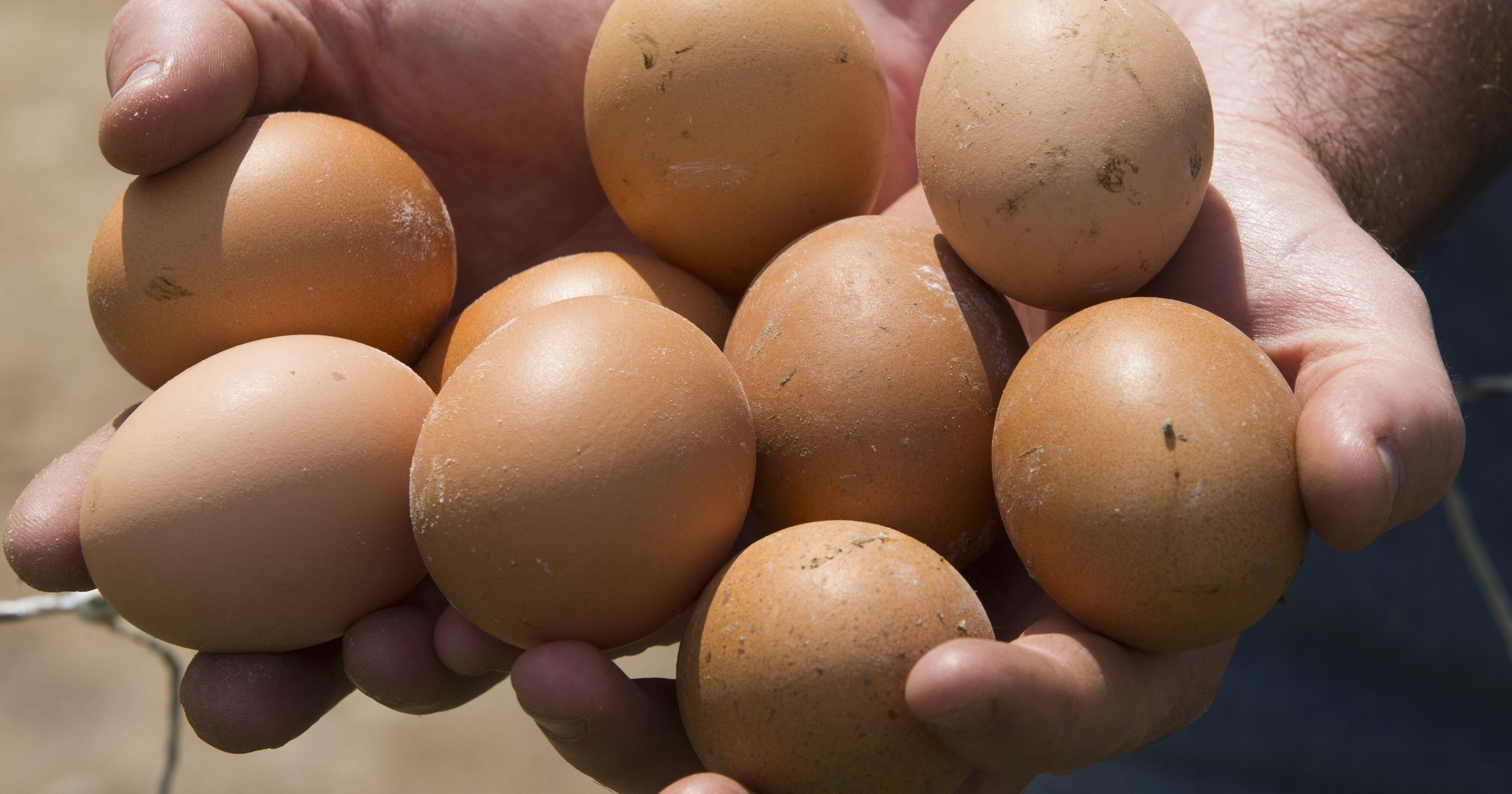
9. Eggs
For vegetarians who eat eggs, they are an easy, complete protein. Two eggs give you about 12 grams.
10. Quinoa
A seed cooked like a grain, quinoa contains all the essential amino acids. It has less protein than beans, but is a better choice than rice or pasta as a base.
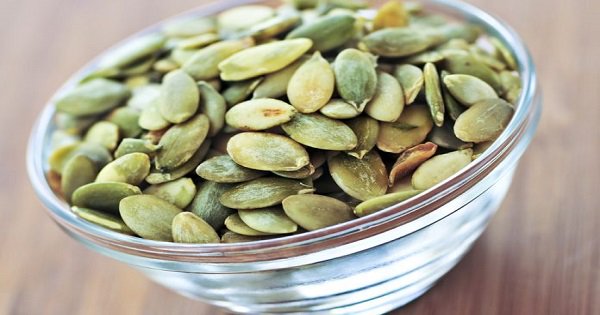
11. Hemp, pumpkin and chia seeds
Seeds add protein, healthy fats and minerals. Sprinkle them on oatmeal, salads and yogurt.
12. Nuts and nut butters
Peanuts, almonds and their butters provide about 7 to 8 grams of protein per 30 g portion (or 2 tablespoons of nut butter). They are calorie-dense, so watch portion sizes.
Do vegetarians need to combine proteins?
Plant proteins have different mixes of amino acids, the building blocks of protein. You do not need to combine them at every meal. Eating a variety of protein foods across the day, such as beans, grains, soy, nuts and dairy, gives your body everything it needs.
Easy ways to eat more protein
- Add a portion of beans or lentils to soups, salads and pasta sauces.
- Swap regular yogurt for Greek yogurt.
- Snack on edamame, roasted chickpeas, nuts or cottage cheese.
- Use soy milk, which has more protein than most other plant milks.
- Top oatmeal or salads with hemp or pumpkin seeds.
Frequently asked questions
Can you build muscle on a vegetarian diet?
Yes. With enough total protein and regular strength training, vegetarians can build muscle effectively. Soy, dairy and eggs are particularly useful.
Which vegetarian food has the most protein?
Seitan, tempeh, cottage cheese and lentils are among the highest per serving.
Are protein powders necessary?
Not for most people. Food sources are usually enough. Powders can be convenient if you have very high needs or a small appetite.
What other nutrients should vegetarians watch?
Vitamin B12 (especially for vegans), iron, zinc, calcium, iodine and omega-3 fats. Ask your doctor or a dietitian whether you need supplements.
This article is for general information and does not replace advice from your doctor or dietitian. Last reviewed: November 2026.
Sources
- Harvard T.H. Chan School of Public Health, The Nutrition Source: Protein
- Mayo Clinic Press: Can you consume enough protein on a plant-based diet?
- British Dietetic Association / NHS: Vegetarian diet fact sheet
- University Hospitals Sussex NHS: Protein fact sheet