A blocked ear can make sounds muffled, give you a feeling of pressure or fullness, and sometimes cause ringing or mild dizziness. The most common causes are earwax build-up, a cold, or pressure changes when flying, and most can be eased safely at home. Here is how to work out the cause, what to do, and what to avoid.
Quick answer
- Earwax: use olive oil or pharmacy ear drops for 3 to 5 days to soften it. Do not dig with cotton buds.
- Cold, allergies or flying: swallow, yawn or chew gum to open the tubes that balance pressure in your ears.
- Get same-day medical help if you suddenly lose hearing in one ear, or have severe pain, fever, discharge or dizziness.
Common causes of a blocked ear
1. Earwax build-up
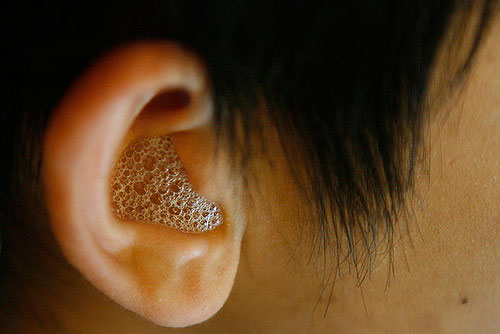
Earwax protects and cleans your ears and usually moves out on its own. Sometimes it builds up and blocks the ear canal, especially if you use cotton buds (which push wax deeper), wear hearing aids or earplugs, or naturally have narrow or hairy ear canals.
Signs: gradual muffled hearing, a feeling of fullness, sometimes itching or ringing, often in one ear.
2. Colds, sinus problems and allergies
The Eustachian tubes connect your middle ears to the back of your nose and balance the air pressure. Swelling from a cold, flu or hay fever can block them, causing a muffled, “underwater” feeling and popping or crackling.
3. Flying, diving and altitude changes
Fast changes in air pressure, especially when a plane descends, can make the ears feel blocked or painful if the Eustachian tubes cannot equalize quickly enough.
4. Ear infections
Middle ear infections (common in children) and outer ear infections (“swimmer’s ear”) cause pain and a blocked feeling, sometimes with fever or discharge.
5. Water in the ear
Water trapped after swimming or showering usually drains on its own within a few hours.
How to unblock your ear safely at home
For earwax: soften it with drops
- Lie on your side with the blocked ear facing up.
- Put 2 or 3 drops of medical-grade olive oil (or ear drops for wax from a pharmacy) into the ear.
- Stay lying down for about 5 minutes, then wipe away any excess oil from the outer ear.
- Repeat 2 to 3 times a day for 3 to 5 days. The wax often falls out on its own, usually at night.
Do not use ear drops if you have, or might have, a hole in your eardrum (perforation), an ear infection, or have had ear surgery, unless a doctor has told you to.
If drops do not help after about 5 days, a nurse or doctor can remove the wax with microsuction or ear irrigation.
For pressure (colds, flying): open the Eustachian tubes
- Swallow, yawn or chew gum, especially when a plane starts to descend.
- Gentle pressure technique: breathe in, close your mouth, pinch your nose and blow very gently, as if blowing your nose, until your ears pop. Do not blow hard, and do not do this if you have a bad cold or ear pain.
- Steam inhalation or a warm shower can help loosen mucus during a cold.
- A pharmacist may suggest a decongestant or a nasal spray for allergies for a few days. Ask whether it is suitable for you, especially if you have high blood pressure or are pregnant.
For water in the ear
Tilt your head to the side and gently pull your earlobe, or lie on that side for a few minutes. A hair dryer on the lowest, cool setting held at arm’s length can help dry the ear.
What not to do
- Do not use cotton buds, hairpins or fingers in the ear canal. They push wax deeper and can damage the eardrum.
- Avoid ear candles. They do not remove wax and can cause burns and blockages.
- Do not use home-made syringes or strong liquids in the ear. Some pharmacy wax drops contain peroxide, but use them only as directed on the pack.
When to see a doctor
See a doctor or pharmacist if:
- your ear is still blocked after 5 days of drops, or a cold has passed but your ear has not cleared after a couple of weeks
- you have ear pain, discharge, itching or a fever
- you keep getting blocked ears
Get medical help the same day if:
- you suddenly lose hearing in one or both ears. Sudden hearing loss can be treatable, but only if treated quickly.
- you have severe pain, swelling around the ear, a high temperature, or dizziness and vomiting
- the blocked ear followed a head injury, or you have weakness on one side of your face
Frequently asked questions
How long does a blocked ear last?
It depends on the cause. Earwax usually clears within a week of using drops. A blocked ear from a cold usually improves as the cold clears, within 1 to 2 weeks. After a flight, it usually clears within hours.
Should I clean my ears regularly?
No. Ears clean themselves. Just wipe the outer ear with a cloth. Cleaning inside the canal often causes more problems than it solves.
Can I use hydrogen peroxide for earwax?
Some pharmacy ear drops contain a mild form of peroxide (carbamide peroxide) and can be used as directed. Do not put household hydrogen peroxide in your ears, and never use any drops if you might have a perforated eardrum.
Why does only one ear feel blocked?
Earwax and infections often affect one ear. Sudden hearing loss in one ear needs a same-day medical check.
This article is for general information and does not replace advice from your doctor or pharmacist. Last reviewed: November 2026.
Sources
- NHS: Earwax build-up
- NHS 111 Wales: Earwax
- NHS Bristol, North Somerset and South Gloucestershire: How to use olive oil ear drops
- NHS: Blocked ears (wax), a self-care guide for patients
- Haslington Surgery (NHS): Blocked ears