Lower back pain is extremely common, and in most cases it is not caused by anything serious. It usually improves within a few weeks, and staying active is one of the best things you can do. No single exercise “eliminates” back pain in two minutes, but these 5 gentle exercises, done regularly, can ease stiffness and help you recover.
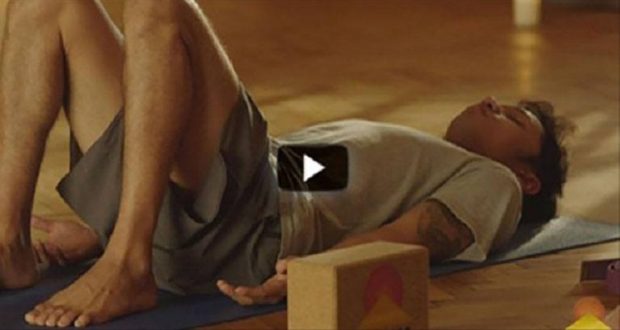
Quick answer
- Keep moving. Gentle activity speeds up recovery; long bed rest slows it down.
- Do gentle exercises daily, such as knee rolls, pelvic tilts and bridges.
- Use heat and, if suitable for you, anti-inflammatory painkillers.
- Get urgent help for numbness around the genitals or bottom, bladder or bowel problems, or weakness in the legs.
5 gentle exercises for lower back pain
Do these slowly, once or twice a day. Some mild discomfort is OK, but stop if the pain becomes sharp or spreads down your leg.
1. Knee rolls
Lie on your back with knees bent and feet flat. Keep your shoulders on the floor and slowly roll both knees to one side, then the other. Repeat 10 times.
2. Pelvic tilts
Lie on your back with knees bent. Tighten your stomach muscles and gently flatten your lower back into the floor, tilting your pelvis up slightly. Hold for 5 seconds, relax, and repeat 10 times.
3. Bridge
Lie on your back with knees bent and feet hip-width apart. Squeeze your buttocks and lift your hips until your body forms a straight line from shoulders to knees. Hold for 5 seconds, lower slowly, and repeat 8 to 10 times.
4. Knee to chest
Lie on your back and gently pull one knee toward your chest. Hold for 20 to 30 seconds, then switch. Repeat 2 to 3 times each side.
5. Cat-cow
On hands and knees, slowly arch your back upward while tucking your chin, then let your back sink as you lift your head. Move gently between the two positions 8 to 10 times.
What else helps
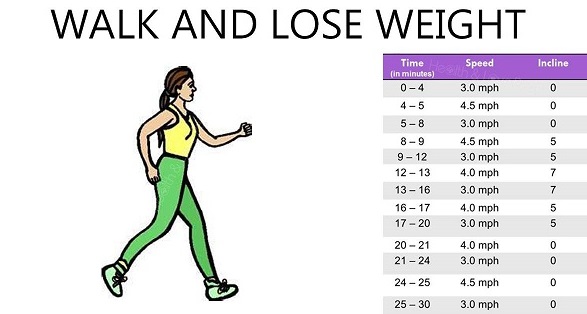
- Stay active: keep up daily activities as much as you can, and take short, regular walks.
- Heat: a warm bath or heat pack can relax tight muscles.
- Painkillers: anti-inflammatories such as ibuprofen can help some people; ask a pharmacist whether they are suitable for you.
- Change positions: avoid sitting for long periods. Stand up and move every 30 minutes.
- Sleep comfortably: try a pillow between your knees when lying on your side.
- Stay positive: worry and stress can make pain feel worse, and most back pain improves.
Preventing back pain from coming back
- Exercise regularly: walking, swimming, yoga and Pilates are all good for the back.
- Strengthen your core and buttock muscles.
- Lift with your knees bent and the object close to your body.
- Keep a healthy weight.
- Set up your desk so your screen is at eye level and your feet are flat on the floor.
When to see a doctor
See a doctor or physiotherapist if:
- the pain does not improve after a few weeks, or is getting worse
- it stops you doing your normal activities
- you also have pain, numbness or tingling down one leg (see our guide to sciatica)
Go to the emergency department straight away if you have:
- numbness around your genitals, bottom or inner thighs
- difficulty peeing, or loss of bladder or bowel control
- weakness or numbness in both legs
- back pain with a high temperature, unexplained weight loss, a history of cancer, or after a serious fall or accident
Frequently asked questions
How long does lower back pain last?
Most episodes improve within a few days to 6 weeks.
Should I rest or exercise with back pain?
Gentle movement and exercise are better than bed rest for most people.
Is walking good for lower back pain?
Yes. Short, regular walks are one of the simplest ways to help your back recover.
This article is for general information and does not replace advice from your doctor or physiotherapist. Last reviewed: November 2026.
Sources
- Guy’s and St Thomas’ NHS: Low back pain
- Northumbria Healthcare NHS: Self-care for lower back pain
- Sussex Community NHS: Mechanical low back pain, management and self-help
- Mayo Clinic: Back exercises in 15 minutes a day