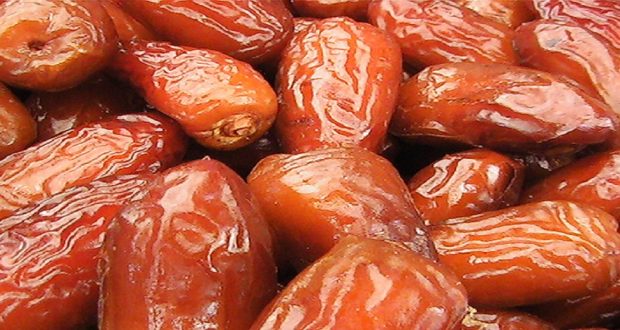
Dates are naturally sweet, chewy fruits that have been eaten for thousands of years. They are full of natural sugar, but they also bring fiber, potassium and antioxidants, which makes them a much better choice than candy. Here is what dates really do for your health, how many to eat, and who should be careful.
Quick answer
- Good for: fiber and regular digestion, potassium for healthy blood pressure as part of a balanced diet, and antioxidants.
- A great natural sweetener to replace sugar in snacks, smoothies and baking.
- Watch the portion: dates are high in sugar and calories. 2 to 4 large (Medjool) dates a day is a sensible amount for most people.
Nutrition facts
Values are approximate and vary by variety.
| 1 Medjool date (about 24 g) | 100 g of dates | |
|---|---|---|
| Calories | about 66 | about 275–280 |
| Natural sugar | about 16 g | about 63–66 g |
| Fiber | about 1.6 g | about 7–8 g |
| Potassium | about 165 mg | about 650–700 mg |
| Magnesium | about 13 mg | about 43–54 mg |
Dates also contain small amounts of copper, manganese, iron and vitamin B6.
5 real health benefits of dates
1. They support healthy digestion
Dates are a good source of fiber, which helps keep bowel movements regular and feeds the beneficial bacteria in your gut. A few dates, with enough water, can help with mild constipation.
2. They provide potassium for your heart
Potassium helps balance the effect of salt on blood pressure. Diets rich in potassium from fruit, vegetables and beans are linked to lower blood pressure and a lower risk of stroke. Dates can contribute to this, but they are not a treatment for high blood pressure on their own.
3. They are rich in antioxidants
Dates contain polyphenols such as flavonoids and phenolic acids, which help protect cells from damage. Researchers are studying their possible effects on inflammation and heart health, though most studies so far are small or done in the lab.
4. A healthier way to satisfy a sweet tooth
Blended dates can replace sugar in smoothies, energy balls, oatmeal and baking. Unlike table sugar, they bring fiber and minerals along with the sweetness.
5. Quick, natural energy
Their natural sugars make dates a handy snack before or during exercise, or to break a fast. Despite their sweetness, dates have a low to moderate glycemic index, partly thanks to their fiber.
Who should be careful
- People with diabetes: dates can fit into a diabetes-friendly diet in small portions, ideally eaten with protein or fat (for example with nuts or yogurt). Check your blood sugar response and ask your doctor or dietitian.
- People watching their weight: dates are calorie-dense. Count them as a treat, not a free snack.
- People with kidney disease: dates are high in potassium, which may need to be limited. Follow your doctor’s advice.
- Dental health: dates are sticky and sugary. Rinse your mouth with water or brush your teeth afterwards.
How to eat more dates
- Stuff a Medjool date with a walnut or a teaspoon of peanut butter for a balanced snack.
- Blend 1 or 2 pitted dates into a smoothie instead of honey or sugar.
- Chop dates into oatmeal or yogurt.
- Make simple energy balls from dates, oats and nuts.
- Add chopped dates to salads or grain dishes for sweetness.
Always remove the pit before eating or blending. Date seeds are not meant to be eaten.
Frequently asked questions
How many dates should I eat a day?
For most people, 2 to 4 Medjool dates, or a small handful of smaller dates, is a reasonable amount as part of a balanced diet.
Are dates good for weight loss?
They are not a weight-loss food, but because they are filling and sweet, they can help replace less healthy sweets. Keep portions small.
Are dates better than sugar?
Yes, in the sense that they come with fiber, potassium and antioxidants. But they are still high in sugar, so moderation matters.
What is the difference between Medjool and Deglet Noor dates?
Medjool dates are large, soft and very sweet. Deglet Noor dates are smaller, firmer and less sweet. Nutritionally, they are similar per gram.
This article is for general information and does not replace advice from your doctor or dietitian. Last reviewed: November 2026.
Sources
- Cleveland Clinic: The sweet health benefits of dates
- An overview of date fruits as an important global food resource
- Nature’s cardioprotective sweetness: a review of dates as functional food in hypertension
- Characterization of dietary fiber and soluble carbohydrates in date fruits
- Is the date palm fruit a natural alternative to sweeteners?